East Village Barbershop
Fade Haircuts in East Village, NYC
Low, Mid, High & Taper Fades - Clean blends for any style. 15+ years of expert fade work.
The fade is the backbone of modern men's grooming. Walk down any block in the East Village and you will see it everywhere, because a good fade makes almost any style look cleaner, sharper, and more intentional. But "fade" is really a family of cuts rather than a single style, and the right one for you depends on how much contrast you want, the style you wear on top, and your hair type. Knowing the difference between a low fade, a mid fade, a high fade, and a taper fade is the first step to getting exactly the look you are after.
This page breaks down every type of fade haircut we offer in the East Village at B & H Barber Shop, how to choose the right one, the skill behind a seamless blend, and how to keep your fade looking fresh. You will also find answers to the questions clients ask most. To see our complete menu and pricing, visit the B & H Barber Shop website before you stop by, and read on to find the fade that fits you best.
Understanding
What Is a Fade Haircut?
The Definition
A fade haircut is a style in which the hair is cut progressively shorter down the sides and back, blending smoothly from longer hair on top to very short hair near the neckline and ears. The word "fade" describes that gradual transition, where the length seems to disappear into the skin without any hard line marking the change. It is a versatile technique that can be subtle or dramatic depending on where the fade begins and how short it goes.
Why Fades Are Popular
Fades have become the default request in barbershops because they suit nearly everyone and pair with almost any style. Whether you want a classic short cut, a textured crop, a pompadour, or a longer style on top, a fade cleans up the sides and frames the look. The style also photographs well and reads as polished and current, which is a big part of why it has stayed so popular across every age group in a neighborhood as style-conscious as the East Village.
Fade vs. Regular Haircut
In a regular or classic haircut, the sides are usually cut to a fairly uniform length or tapered gently, without the dramatic short-to-long gradient that defines a fade. A fade creates a more distinct contrast between the top and sides, with the shortest hair blending up into the longer hair above. This gives a fade a sharper, more modern appearance, while a regular cut has a more traditional, even look. Many classic styles can be adapted into a faded version for a more contemporary finish, which is one reason fades are so widely requested.
Fade vs. Skin Fade
The main difference between a standard fade and a skin fade is how short the hair goes at the lowest point. A standard fade blends down to a very short length but leaves a little hair, so no skin shows through. A skin fade takes the hair all the way down to bare skin for a bolder, higher-contrast look. Both use the same blending principle, but the skin fade is more dramatic and requires even more precision. If that sharper, bald-fade look is what you want, our dedicated skin fade in the East Village page covers it in full detail.
Fade Styles
Types of Fade Haircuts We Offer in the East Village
The main fade styles differ by where the fade starts on the head. Each creates a different level of contrast, and our barbers help you pick the one that fits your look.
Low Fade
A low fade begins just above the ears and around the neckline, keeping most of the length on the sides and only tapering short at the very bottom. It is the most understated fade, giving a clean, refined finish without a strong contrast. A low fade suits clients who want a subtle, polished look that works well in professional settings while still feeling modern. It is an excellent choice if you prefer your fade to be noticeable up close but not dramatic from a distance.
Mid Fade
A mid fade starts around the middle of the sides, near the temples, offering a balanced amount of contrast between the top and sides. It is one of the most popular and versatile fades because it flatters most face shapes and pairs well with nearly any style on top. If you are not sure which fade to choose, a mid fade is often the safest and most universally flattering option, striking the middle ground between subtle and bold.
High Fade
A high fade begins high up on the sides, closer to the crown, creating a strong contrast with a large area of short hair and a concentrated section of length on top. This is the boldest of the standard fades, ideal for clients who want a sharp, eye-catching look. A high fade works especially well with styles that have volume or definition on top, such as a pompadour or a high textured crop, where the contrast really stands out.
Taper Fade
A taper fade is a softer, more gradual version that focuses on the edges, tapering the hair short around the ears and the back of the neck while keeping more length elsewhere. Unlike a full fade, a taper is subtle and conservative, cleaning up the outline of the cut without a dramatic gradient up the sides. It is a great option for clients who want a neat, professional finish and a bit more length, or who prefer a look that grows out gently. The taper fade is timeless and low-key, and it remains a favorite for exactly that reason.
Drop Fade
Beyond the standard heights, a couple of specialty fades add variety. A drop fade follows the natural curve of the head, dropping lower behind the ear for a rounded, modern shape that complements many styles. A burst fade curves around the ear in a semicircle, leaving more length at the back, and pairs especially well with textured and mohawk-style cuts. These variations give you even more ways to customize your fade, and our barbers can walk you through whether one suits the look you want.
Burst Fade
A burst fade curves around the ear in a semicircle, leaving more length at the back, and pairs especially well with textured and mohawk-style cuts. These variations give you even more ways to customize your fade, and our barbers can walk you through whether one suits the look you want.
Finding Your Fade
How to Choose the Right Fade for You
With so many fade options, choosing the right one comes down to your style, your features, and how much contrast you want. A short conversation with your barber makes the decision easy.
Matching the Fade to Your Style
The style you wear on top should guide the fade you choose. Bold, voluminous styles like pompadours and high crops pair naturally with mid and high fades, where the strong contrast highlights the hair on top. More understated or professional looks tend to suit low fades and tapers, which keep things clean without drawing too much attention. Thinking about how you want the overall cut to read, whether sharp and striking or neat and subtle, helps point you toward the right fade.
Face Shape and Hair Type
Fades can be adjusted to flatter your proportions. A higher fade can add the appearance of height and length, which can balance a rounder face, while a lower fade or taper softens the look and can suit a longer face. Fades also work across every hair type, from straight to curly and coily, since the technique is about the sides rather than the texture on top. Our barbers consider your face shape and natural hair when recommending a fade, so the finished cut complements your features rather than fighting them. A fade is also just one option within a broader cut, so if you want to explore all your choices, our men's haircut in the East Village page lays out the full range of styles.
Craftsmanship
The Craft of a Clean Fade
A fade looks simple when it is done well, but achieving that seamless blend takes real skill. The difference between a great fade and a mediocre one is immediately visible.
Blending and Guard Work
A clean fade is built by working through a series of clipper guards, starting longer at the top of the fade and moving shorter toward the bottom, then blending the transitions so there are no visible lines between lengths. The points where one guard length meets the next are where skill shows most, since any unevenness there stands out. Careful blending, often with the clippers and sometimes with scissors over comb, is what creates the smooth gradient that defines a good fade. It is precise, patient work.
Why a Skilled Barber Matters
There is no substitute for experience when it comes to fades. A barber who cuts fades every day develops the eye to spot an uneven blend, the knowledge of how different hair types respond, and the hand control to keep the gradient smooth. With more than fifteen years serving the East Village and a 4.9-star rating from hundreds of clients, our barbers have the repetition that consistently clean fades require. That skill is why so many neighbors come to us specifically for their fade. If you want to understand what else separates a quality shop, our guide on the best barber shop near me in the East Village is a helpful read.
Complete Grooming
Pairing a Fade With Other Services
A fade often works best as part of a complete look. Many clients combine their fade with a beard trim so the faded hair connects cleanly to their facial hair, or with a sharp line-up that defines the hairline and edges for an extra-crisp finish. A straight razor shave is another popular pairing for clients who want to be fully groomed in one sitting. Combining services means your cut and your facial hair are shaped to work together rather than handled separately, and it saves you time. When you sit down, let your barber know if you want to add grooming services, and they will build the visit around the finished look you are going for.
Upkeep
Fade Haircut Maintenance
A fade looks its sharpest right after the cut, and because the sides are so short, the grow-out becomes noticeable within a couple of weeks. A little upkeep keeps it looking clean.
How Often to Refresh
Most fades hold their crispness for about two to three weeks before the sides start to grow in and soften the contrast. Clients who want to keep a sharp fade often come in every two to three weeks, while those who are happy with a slightly softer look can stretch it a bit longer. A quick refresh of the sides and neckline between full cuts is also an option to extend the life of the style. Your barber can suggest timing based on how sharp you want to keep your fade.
Styling Between Cuts
Keeping the top styled with the right product maintains the overall look as the fade softens. Washing and conditioning your hair to keep it healthy, and using a product suited to your hair type and style, helps your cut look its best day to day. Keeping the neckline tidy between visits can help too, though many clients prefer to leave the edges to their barber to avoid mistakes. Consistent, well-timed visits are the simplest way to keep a fade looking fresh.
Location & Hours
Visiting B & H Barber Shop in East Village 10009
Location & Transit
B & H Barber Shop is at 60 Avenue A, between East 4th and East 5th Streets, in the center of the East Village. We are an easy walk from around the neighborhood and Alphabet City, and a short trip from the Lower East Side, NoHo, and Union Square. The F train at Lower East Side and 2nd Avenue is two blocks away, the L train at 1st Avenue is a short walk north, and the 6 train at Astor Place is close by. For full neighborhood details, see our barber shop in East Village NYC 10009 page.
Hours
We are open most days, including Sunday, when many nearby shops are closed. Our typical hours run Monday through Thursday from 9:30 in the morning until 7:30 in the evening, Friday until the early afternoon, and Sunday from mid-morning into the evening, with Saturday closed. Because hours can change, check our Google Business Profile for the current schedule, directions, photos, and reviews from clients across the neighborhood.
Gallery
Before & After Fade Haircut Transformations
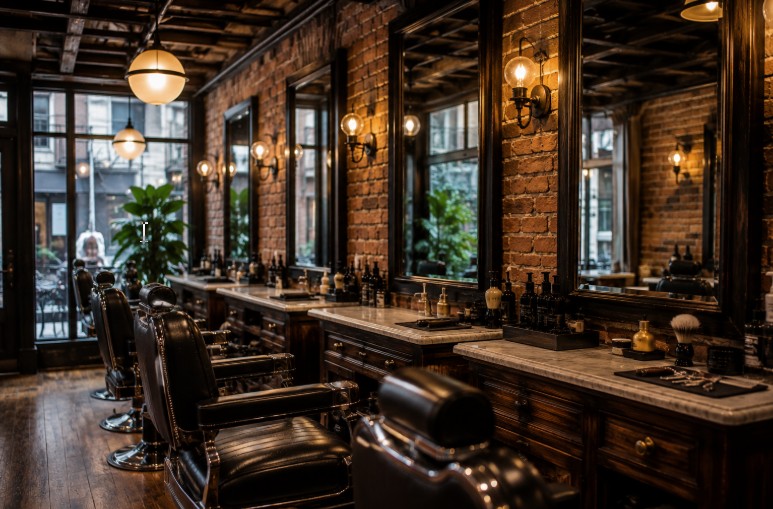
Real results from our clients: These authentic before and after photos showcase the sharp, clean fades we deliver at B & H Barber Shop. Each fade is customized to your face shape, hair type, and desired contrast. Before and after photos give you a clear picture of how a professional fade can transform your look.
Questions?
Frequently Asked Questions
What is a fade haircut?
A fade haircut is a style where the hair is cut progressively shorter down the sides and back, blending smoothly from longer hair on top to very short hair near the neckline. The gradual transition is what defines a fade. It is versatile, suits most people, and pairs with almost any style on top.
What is the difference between a low, mid, and high fade?
The difference is where the fade begins on the head. A low fade starts just above the ears for a subtle finish, a mid fade starts around the temples for a balanced contrast, and a high fade starts near the crown for a bold, dramatic look. The higher the fade, the more contrast between the short sides and the hair on top.
What is a taper fade?
A taper fade is a softer, more gradual fade that focuses on the edges, tapering the hair short around the ears and neckline while keeping more length elsewhere. It is subtle and professional, cleaning up the outline of the cut without a dramatic gradient up the sides, and it grows out gently.
What is the difference between a fade and a skin fade?
A standard fade blends down to a very short length but leaves a little hair, so no skin shows. A skin fade takes the hair all the way to bare skin at the lowest point for a bolder, higher-contrast look. Both use the same blending principle, but a skin fade is more dramatic and demands even more precision.
How often should I get a fade haircut?
Most fades hold their sharpness for about two to three weeks before the short sides start to grow in and soften the contrast. Clients who want to keep it crisp often come in every two to three weeks, while those who are happy with a slightly softer look can stretch it a bit longer. A quick refresh of the sides between full cuts is also an option.
Which fade is best for my hair type and face shape?
Fades work across all hair types, from straight to curly and coily, and the height can be adjusted to flatter your face. A higher fade can add the appearance of length to a rounder face, while a lower fade or taper softens a longer one. Our barbers recommend a fade that complements your features and works with your natural hair.
How long does a fade haircut take?
A fade haircut usually takes around thirty to forty minutes, depending on the style and how detailed the blend is. Higher fades and more intricate work can take a little longer, since the blending and detailing require care. A good barber gives the fade the time it needs rather than rushing it.
Can I combine a fade with a beard trim?
Yes. Many clients pair a fade with a beard trim so the faded hair connects cleanly to their facial hair, or add a line-up or straight razor shave for a fully groomed finish. Combining services in one visit ensures your cut and beard work together and saves you time. Just mention it when you sit down.
Book Your Fade Haircut in East Village Today
A great fade is one of the most versatile and sharp looks in men's grooming, and getting it right comes down to the skill of your barber. With experienced barbers who cut fades every day, a full range of low, mid, high, and taper fades, and more than fifteen years serving the neighborhood, B & H Barber Shop is a dependable choice for a clean fade in the East Village. Whatever style you want on top, our barbers deliver a smooth, well-blended fade to match.
If you are in the East Village, Alphabet City, or the Lower East Side, stop by 60 Avenue A, New York, NY 10009, or call (646) 896-1090 to plan your visit. Walk in for your next fade haircut or book ahead, and see why so many neighbors trust B & H Barber Shop with their cut.
60 Avenue A, New York NY 10009 2018 – 2025 Copyright B&H Barber Shop. All rights reserved.
BandHBarbershop@gmail.com
Tel: 646-896-1090
Hours: M-Thur: 9:30am-7pm | Fri: 9:30am to 2 Hrs before sunset | Sat: CLOSED | Sun: 10am to 7pmStop By And Get a Cut